










The Bagel That Made Jenna Stop Pretending
Jenna was standing in her kitchen in early January, coffee steaming in one hand, and a toasted bagel in the other, when she felt it, that quick, sharp zing in the back of her mouth. She froze mid-chew, then tried again on the other side like she could outsmart her own tooth. “Okay… that was weird,” she thought, suddenly hyper-aware of every bite.
She was not someone who panicked easily, but the timing felt rude. New year, new routines, new “I am getting my life together” energy, and now her mouth was waving a tiny red flag. Not screaming, just insisting.

Why A “Small” Tooth Feeling Can Take Over Your Brain
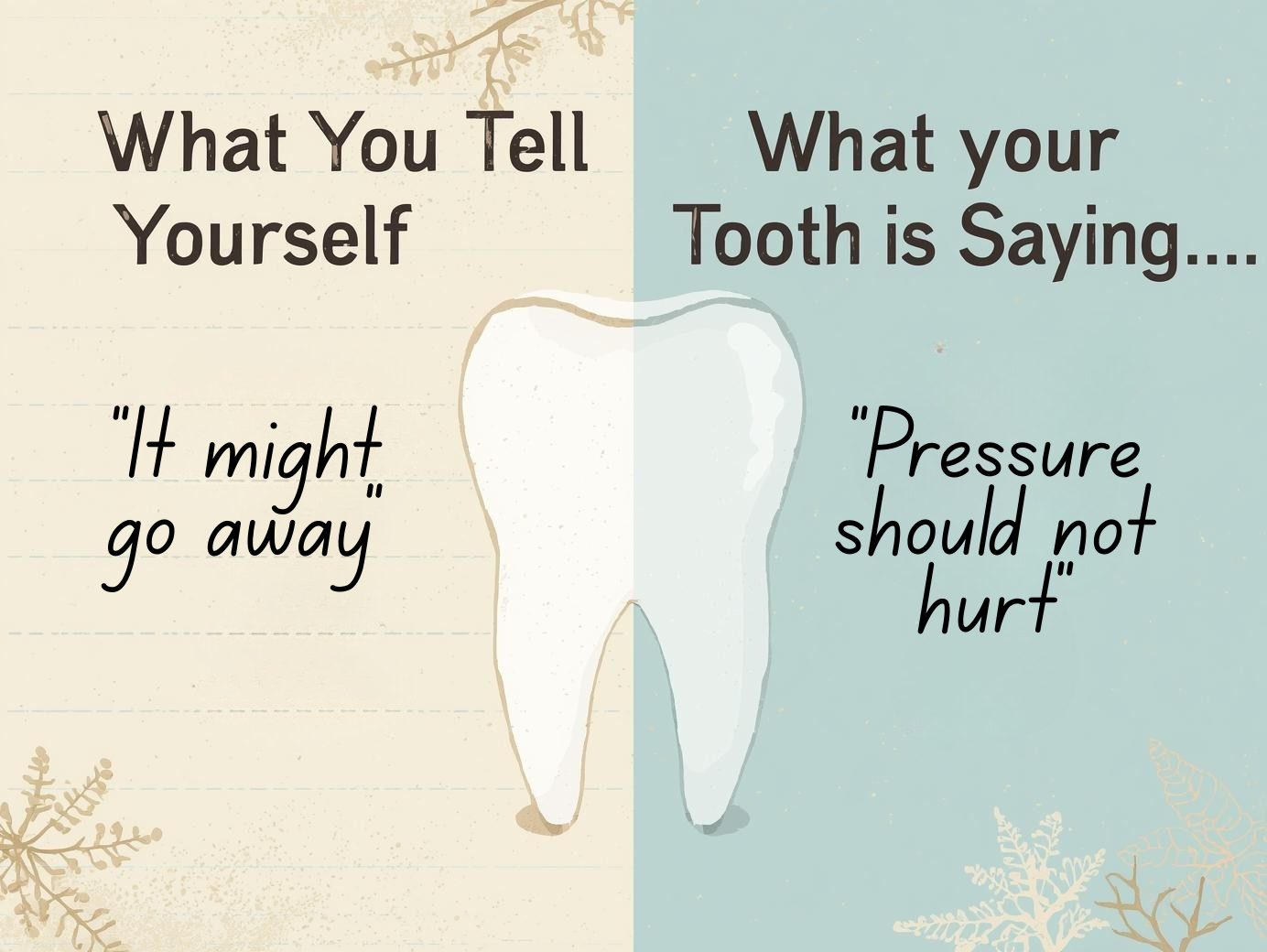
Jenna tried to bargain with it. Maybe she bit wrong. Maybe it was stress. Maybe it would disappear once she “started flossing again for real.” But over the next few days, she caught herself chewing carefully, avoiding crunchy foods, and doing that nervous tongue-check in meetings. Pain like that does not just live in your mouth, it moves into your attention.
What bothered her most was not the sensation itself, it was the uncertainty. “Is this going to turn into something expensive?” January is when many people reset insurance benefits and personal goals, so even a small dental worry can feel like a test you did not study for.
Why January Is A Smart Time To Get Checked
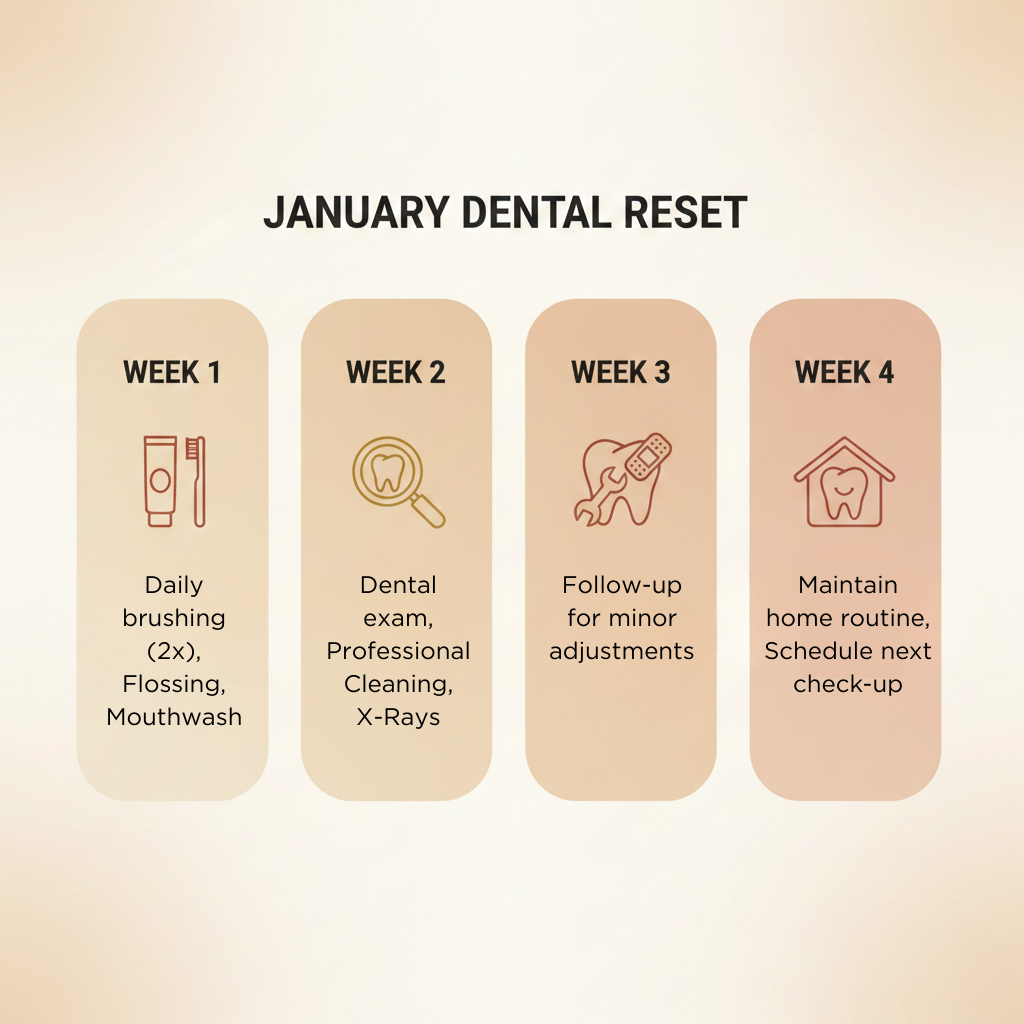
January is quietly one of the best months to come in for general dentistry. Your schedule often stabilizes after the holidays, your benefits may reset, and you are already in reset mode. A dental checkup fits that energy perfectly, not as a chore, but as a baseline.
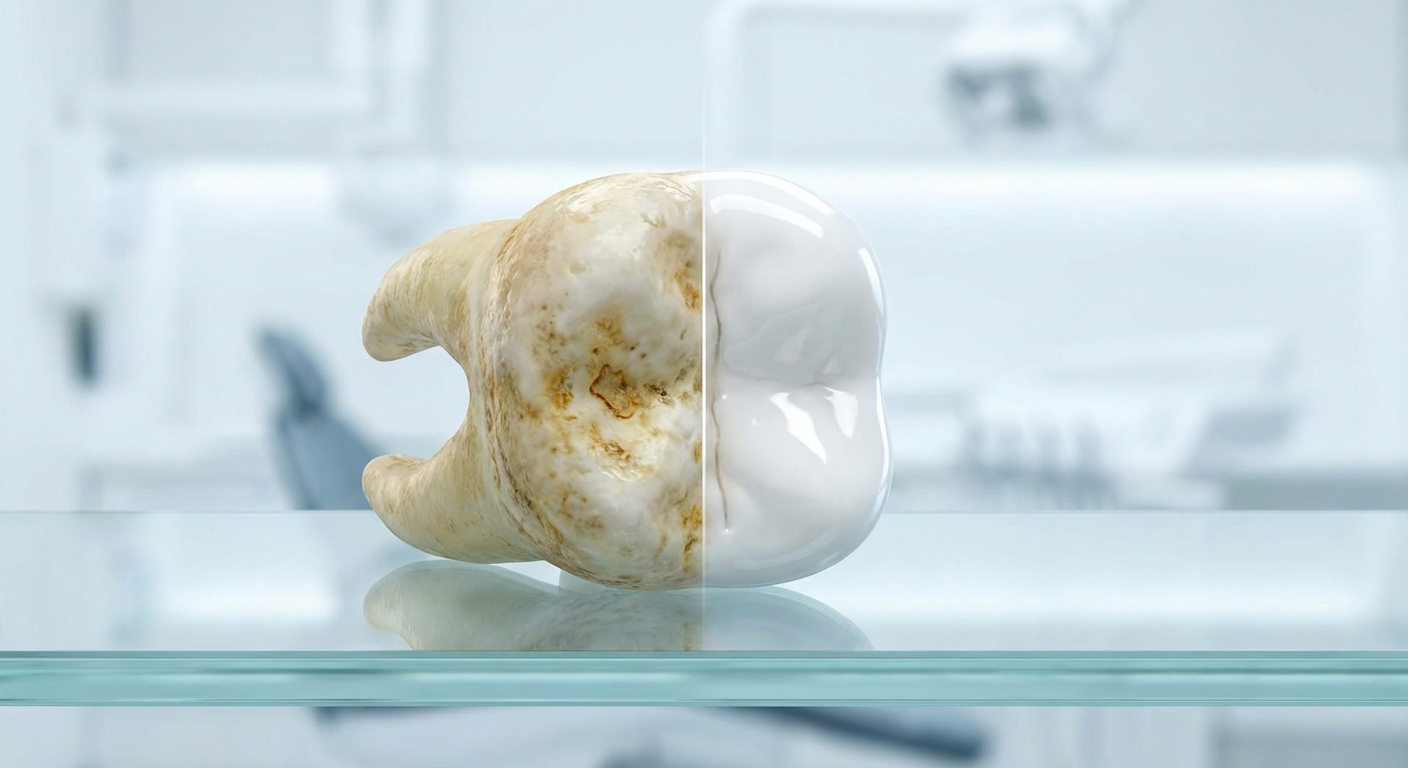
And post-holiday mouths are real. More snacking, more sugar, more late nights, more “I will brush when I get home” moments. Your teeth do not shame you, they just keep receipts. A checkup is how you read them early.
If you want a quick preview of what preventive care looks like, Ahn Dental Specialists outlines it well on their General Dentistry page.
What Jenna Thought A Checkup Would Be Like
In Jenna’s head, a checkup meant bright lights and a lecture. She imagined that guilty moment where she admits floss is more of a concept than a habit. She expected judgment.
In reality, a solid general dentistry visit is more like a calm investigation. You talk about what you feel, your dentist looks closely at teeth and gums, checks your bite, and takes X-rays if needed because many problems hide between teeth or under old dental work. Then you get a cleaning that removes buildup your toothbrush cannot reach, no matter how optimistic you are.
If gum health is part of your concern, the Dental Hygiene page is a helpful glimpse of what the cleaning side of the visit can include.
The Real Reasons Teeth Hurt When You Bite
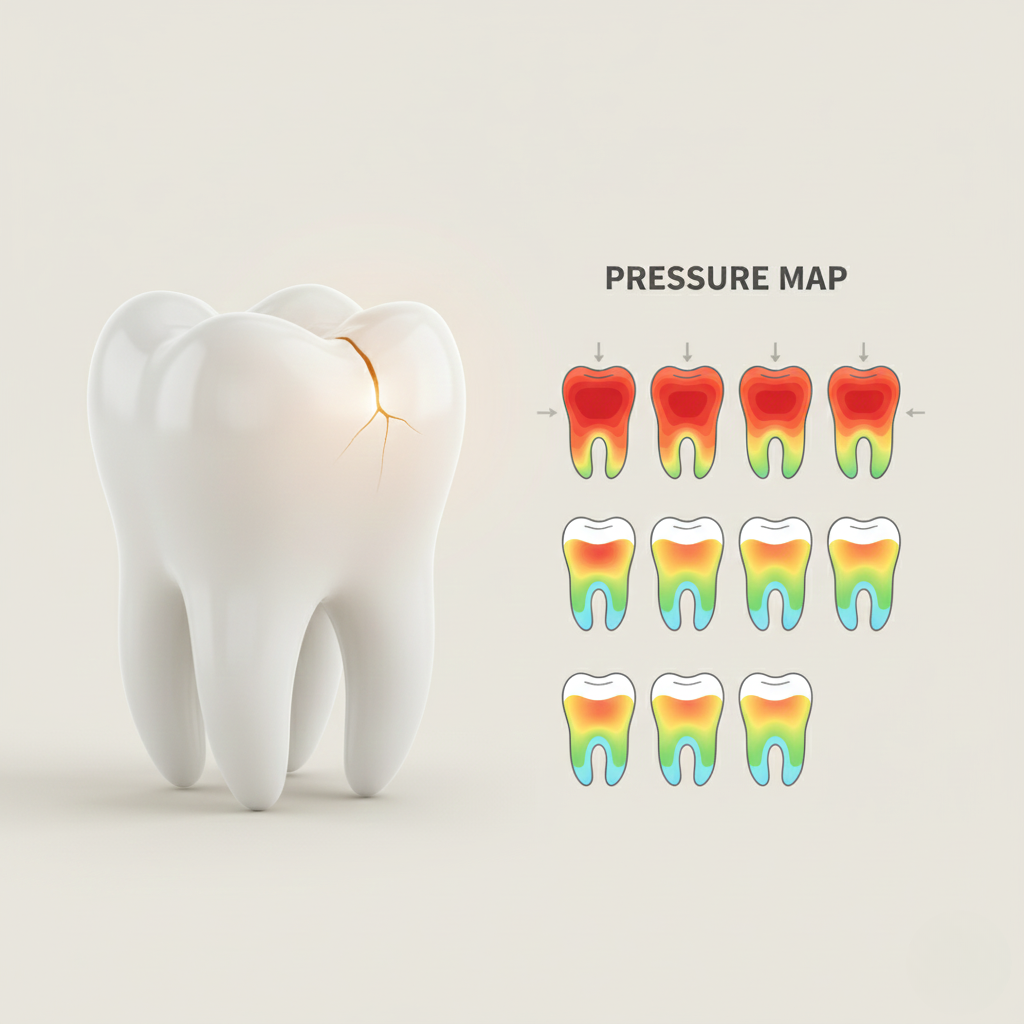
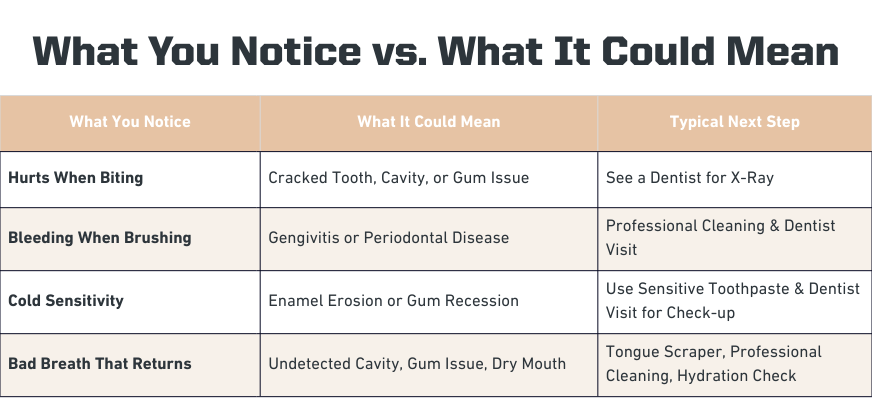
Jenna noticed it was worst with crunchy foods. Bagels, chips, protein bars. Soft pasta, totally fine. That pattern matters. Biting pain often points to pressure problems, not just “a cavity.”
Common causes include:
- A tiny crack, like a hairline in glass that only shows when pressure hits
- A filling that is slightly high or worn, changing where force lands
- Early decay between teeth, easy to miss without imaging
- Inflammation around the tooth ligament, which can feel like a bruise
Here is the simplest way to picture it, your tooth is like a table leg. If it is stable, you ignore it. If it is slightly off, you shift your weight and compensate without realizing it. Your bite adapts, and your jaw gets tired.