












The Lingering Doubt in Emily’s Smile
Emily looked in the mirror, a faint unease settling over her. Her teeth seemed fine, she brushed twice a day, and she even used mouthwash. Yet, there was always this lingering doubt, a feeling that she wasn't doing everything she could for her oral health. She remembered her last dental check-up, a quick mention from the hygienist about more consistent flossing. It always felt like a chore, an optional extra rather than a core part of her routine.
She had tried before, of course. Those little plastic picks, the traditional string, even water flossers – but nothing ever quite stuck. The technique felt awkward, her gums sometimes bled, and she often gave up after a few days, convinced it wasn't making much difference. Her busy schedule as a Redondo Beach accountant didn't leave much room for perceived inefficiencies.
Emily knew deep down that good oral hygiene was crucial, not just for her teeth, but for her overall health. She'd read articles about the link between gum health and heart health, and the thought nagged at her. She wanted to feel confident in her smile and know she was truly protecting it.
Unmasking the Hidden Dangers Between Teeth
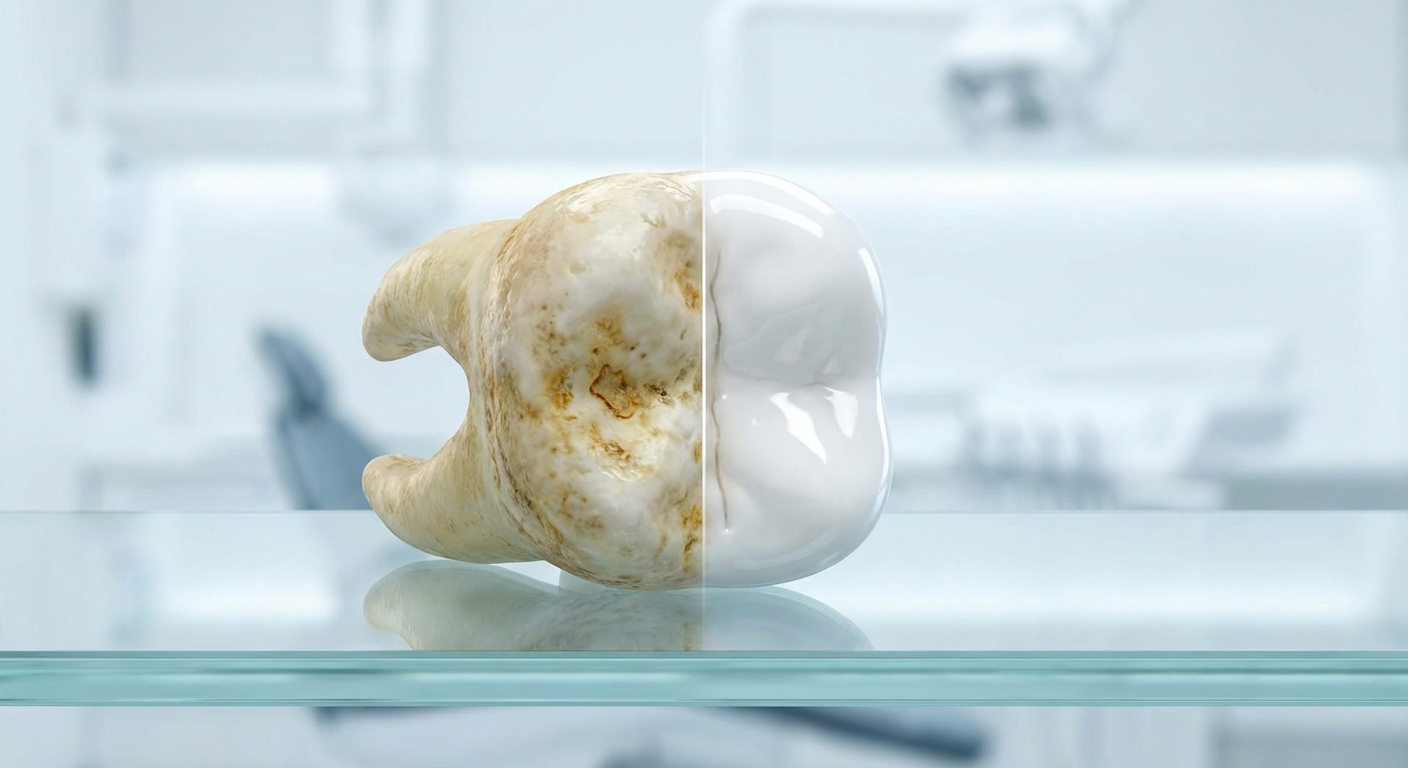
Emily decided it was time to get serious. She started researching, delving into why flossing was so important. What she discovered was a bit of a wake-up call. Brushing, she learned, only reaches about 60% of your tooth surface. That left a significant 40% untouched, harboring plaque and food particles that brushing alone simply couldn't dislodge.
She pictured those tiny, inaccessible spaces between her teeth, now imagined as miniature battlegrounds where bacteria could thrive, forming sticky plaque. This plaque, if not removed, hardens into tartar, which then irritates gums, leading to inflammation, bleeding, and eventually gum disease, also known as gingivitis. The idea of tiny invaders silently wreaking havoc in her mouth was quite unsettling.
Understanding this invisible threat made the act of daily flossing seem far less optional and significantly more essential. It wasn't just about fresh breath or preventing cavities; it was about proactively defending against a silent enemy that could compromise her entire oral health and beyond.
The Right Tools for a Flossing Victory
Her next step was to figure out which flossing tool was best for her. Emily quickly realized there wasn't a one-size-fits-all answer. Traditional dental floss, wax-coated or unwaxed, seemed like the classic choice, offering excellent plaque removal when used correctly. She learned that waxed floss often slides more easily between tight teeth, which was a concern for her.
Then there were dental picks and interdental brushes, which seemed easier to manage for some, especially those with braces or wider gaps between teeth. Emily considered these for their convenience. Finally, water flossers caught her attention, promising a gentler yet effective clean, especially for sensitive gums or if dexterity was an issue. The idea of a powerful jet of water cleaning hard-to-reach areas was appealing.
She decided to start with a variety – a roll of waxed dental floss and a pack of pre-threaded floss picks, figuring she could experiment to see what felt most comfortable and effective. Personal preference was key, she understood, as consistency was her ultimate goal.
Mastering the Art of String Flossing
Emily decided to tackle traditional string floss first, determined to master the technique. She learned that the key was using about 18 inches of floss, winding most of it around her middle fingers, leaving a small, workable section in between. The instruction to use a fresh section for each tooth seemed obvious now, preventing the transfer of bacteria.
She practiced gently guiding the floss between her teeth in a "C" shape, curving it around each tooth, then moving it gently up and down from the gumline to the contact point. "Slide, don't snap," she repeated to herself, remembering tips from online guides. This gentle approach was crucial to avoid damaging her gums.
Initially, her gums bled a little, which momentarily discouraged her. However, she remembered Dr. Ahn's words about this often being a sign of irritation that improves with consistent flossing. Emily persisted, realizing that patience and a light touch were her best allies in this endeavor.
Embracing the Ease of Floss Picks and Water Flossers
While string flossing was effective, Emily found some evenings she simply didn't have the patience or time. This is where her pre-threaded floss picks came in handy. They were exceptionally convenient for quick cleans or when she was particularly tired, making it easier to reach her back teeth. She started keeping a few in her purse for after-lunch touch-ups.
She also invested in a water flosser, curious about its unique benefits. The pulsating stream of water felt surprisingly gentle yet powerful as it dislodged food particles and plaque from between her teeth and below the gumline. It provided a refreshing sensation, and she found it particularly effective for cleaning around her permanent retainer, an area that was always a challenge with string floss.
Emily discovered that combining these methods worked best for her. A thorough string floss session most nights, supplemented by floss picks or the water flosser whenever convenience called. Flexibility was motivating, ensuring she never skipped her daily interdental cleaning.
Beyond Just Cleaning: The Benefits Unfold
Within a few weeks, Emily started noticing a significant difference. Her gums, which once occasionally bled, were now firm and healthy-looking. The unpleasant taste she sometimes woke up with had vanished, and her breath felt consistently fresher throughout the day. She realized that flossing isn't just about preventing problems, but actively promoting a greater sense of oral well-being.
During her next regular cleaning at Ahn Dental Specialists, the hygienist immediately commented on the improved health of her gums. Emily felt a surge of pride. Dr. Michelle Ahn reinforced the importance of her consistent routine, explaining how reducing plaque buildup significantly lowers her risk of cavities and periodontal disease. This confirmation was incredibly reassuring.
This newfound dedication wasn't just about a healthier mouth; it was about feeling more in control of her health. She felt a quiet confidence in her smile, knowing she was providing it with the comprehensive care it deserved every single day.
Making Flossing a Non-Negotiable Ritual
Emily integrated flossing into her daily routine as naturally as brushing her teeth. She found that the best time for her was right before bed, while listening to a podcast or her favorite music. It transformed from a dreaded chore into a mindful ritual, a small act of self-care she looked forward to. No longer was it an optional extra, but an indispensable part of preparing for rest.
She also made sure to have floss readily available – in her bathroom, in her travel kit, and a few picks in her desk drawer. This simple strategy eliminated excuses and made consistency effortless. She often reflected on how a small habit could yield such significant and noticeable benefits, both physically and emotionally.
For Emily, flossing became more than just a dental recommendation; it became a symbol of her commitment to her overall health. It was a small investment of time that paid dividends in fresh breath, healthy gums, and a confident, radiant smile.
Your Path to Optimal Gum Health Starts Here
Emily’s journey highlights a universal truth: optimal oral health requires more than just brushing. It demands a comprehensive approach that includes daily interdental cleaning. Whether you choose traditional floss, picks, or a water flosser, the most important thing is to find a method that you can commit to consistently. Investing a few minutes each day can safeguard your smile for years to come.
If you’re unsure about the best flossing technique or tool for your unique needs, our team at Ahn Dental Specialists in Redondo Beach is here to help. Dr. Michelle Ahn and our experienced hygienists can demonstrate proper flossing methods and recommend products tailored to you. We believe in empowering our patients with the knowledge and tools for superior oral hygiene.
Don't let the crucial step of flossing be the missing piece in your oral care routine. Take the first step towards healthier gums and a brighter smile by visiting our contact page for guidance. We’re dedicated to supporting your journey to lasting dental wellness.