











NOW WELCOMING NEW & RETURNING PATIENTS

Inlays and Onlays in Redondo Beach, CA

Custom restorations that repair moderate tooth damage while preserving healthy tooth structure.

Dentist placing a tooth-colored restoration using curing light during an inlay or onlay dental procedure.

Inlays and Onlays Explained

Inlays and onlays are custom dental restorations used to repair teeth that have moderate damage or decay but do not require a full dental crown. They are often recommended when a tooth is too damaged for a traditional filling but still strong enough to preserve most of its natural structure. These restorations help rebuild the chewing surface of the tooth while maintaining as much healthy tooth material as possible.

Tooth damage can occur from cavities, fractures, or wear over time. When a cavity becomes larger, a standard filling may not provide enough strength to support the tooth during normal chewing. Inlays and onlays are designed to fit precisely within or over the damaged portion of the tooth, restoring its shape and helping it function properly again. The difference between the two depends on how much of the tooth needs to be restored. Inlays are used when the damage is contained within the grooves of the tooth’s chewing surface, while onlays extend over one or more of the tooth’s cusps when additional coverage is needed. Both options are crafted to match the natural color and contour of the surrounding teeth for a seamless appearance.

Inlays and Onlays Explained

Dentist placing a tooth-colored restoration using curing light during an inlay or onlay dental procedure.

Inlays and onlays are custom dental restorations used to repair teeth that have moderate damage or decay but do not require a full dental crown. They are often recommended when a tooth is too damaged for a traditional filling but still strong enough to preserve most of its natural structure. These restorations help rebuild the chewing surface of the tooth while maintaining as much healthy tooth material as possible.

Tooth damage can occur from cavities, fractures, or wear over time. When a cavity becomes larger, a standard filling may not provide enough strength to support the tooth during normal chewing. Inlays and onlays are designed to fit precisely within or over the damaged portion of the tooth, restoring its shape and helping it function properly again. The difference between the two depends on how much of the tooth needs to be restored. Inlays are used when the damage is contained within the grooves of the tooth’s chewing surface, while onlays extend over one or more of the tooth’s cusps when additional coverage is needed. Both options are crafted to match the natural color and contour of the surrounding teeth for a seamless appearance.

Benefits of Inlays and Onlays

  • Restores Moderate Tooth Damage Effectively

    Repairs areas of the tooth affected by moderate decay or damage while preserving as much natural structure as possible.

  • Custom Fit for Precise Tooth Restoration

    Designed to fit the exact shape of the damaged tooth for accurate support and natural function during biting and chewing activities.

  • Durable Support for Back Teeth Stability

    Provides strong reinforcement for teeth that experience heavy pressure during daily chewing and regular biting forces.

Preparation for Your Inlays and Onlays

Preparing for inlays and onlays is generally straightforward and begins with making sure the tooth being treated is protected before the appointment. If the tooth has been weakened by decay or a fracture, it is helpful to avoid chewing very hard or sticky foods on that side of the mouth to prevent further damage before the restoration is placed.

Maintaining good oral hygiene before your visit can also help prepare the tooth and surrounding gums for treatment. Brushing and flossing as you normally would keeps the area clean and allows the dentist to clearly evaluate the tooth that needs restoration. Patients should also inform their dentist if they are experiencing tooth sensitivity, discomfort when biting, or changes in how the tooth feels. These details help the dental team better understand the condition of the tooth and plan the most appropriate restoration.

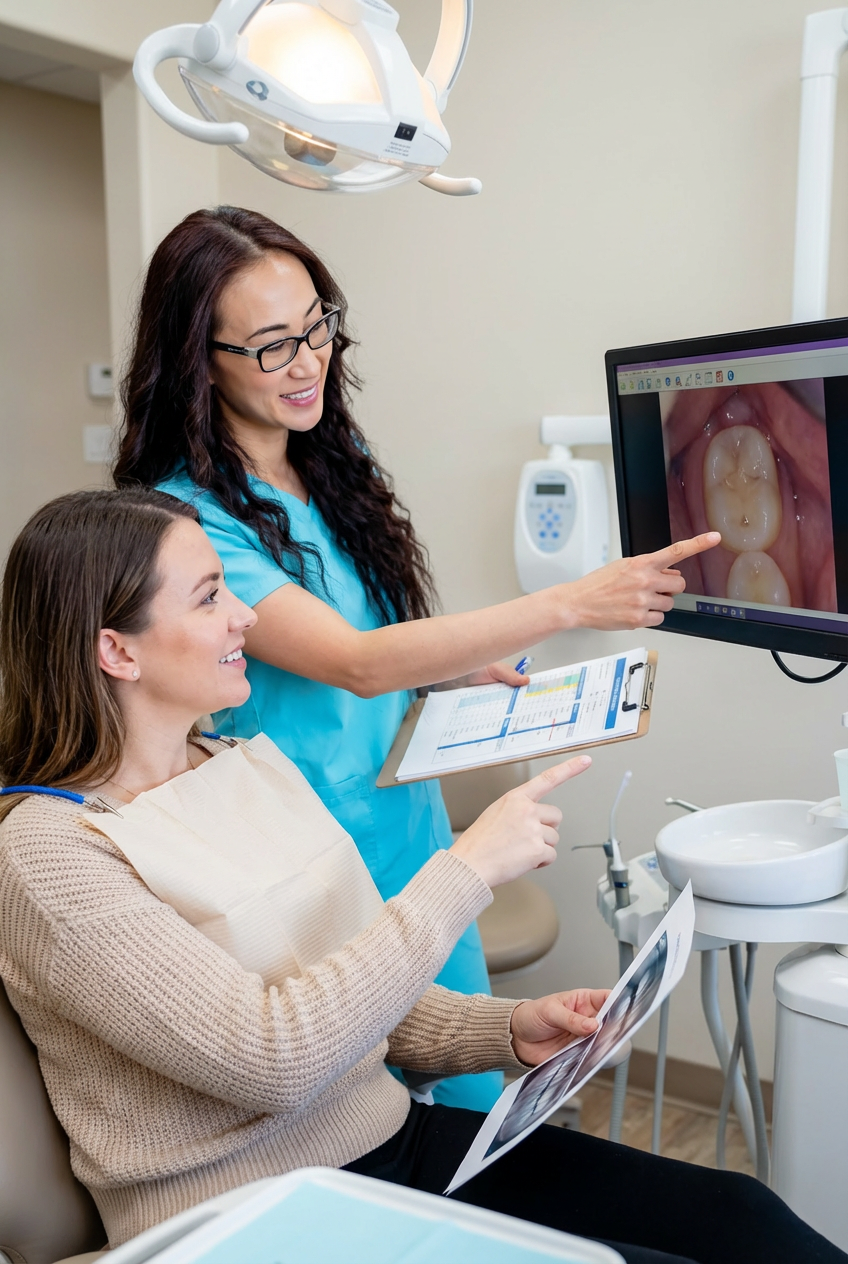
Dentist showing a patient a magnified image of a tooth on a monitor while explaining the need for an inlay or onlay restoration.

Preparation for Your Inlays and Onlays

Dentist showing a patient a magnified image of a tooth on a monitor while explaining the need for an inlay or onlay restoration.

Preparing for inlays and onlays is generally straightforward and begins with making sure the tooth being treated is protected before the appointment. If the tooth has been weakened by decay or a fracture, it is helpful to avoid chewing very hard or sticky foods on that side of the mouth to prevent further damage before the restoration is placed.

Maintaining good oral hygiene before your visit can also help prepare the tooth and surrounding gums for treatment. Brushing and flossing as you normally would keeps the area clean and allows the dentist to clearly evaluate the tooth that needs restoration. Patients should also inform their dentist if they are experiencing tooth sensitivity, discomfort when biting, or changes in how the tooth feels. These details help the dental team better understand the condition of the tooth and plan the most appropriate restoration.

Effortless Smile Care in Just 3 Steps

  • Modern dental office waiting area featuring a curved wooden reception desk with a black counter, soft recessed ceiling lighting with a blue sky-lit panel, a wall-mounted TV, and a row of cushioned gray armchairs near large windows with vertical blinds. The space has light-colored tiled flooring and neutral-toned walls, offering a clean and welcoming atmosphere
    1

    Schedule Your Visit

    Request an appointment online or call our office to find a time that works best for you. We’ll confirm your appointment and answer any questions before you arrive.

  • Dental professional in full PPE, including a face shield and mask, attending to a patient lying in a dental chair. Medical monitors and equipment are visible in the background, indicating a modern clinical setting
    2

    Personalized Consultation

    Your dentist will listen to your goals, review your oral health, and recommend a custom treatment plan designed around your comfort and needs.

  • Patient sitting in a dental chair giving a thumbs up with two dentists after successful dental treatment.
    3

    Gentle, Lasting Care

    Relax as our team provides high-quality, comfortable care as your trusted emergency dentist, using modern technology and techniques that deliver beautiful, lasting results.

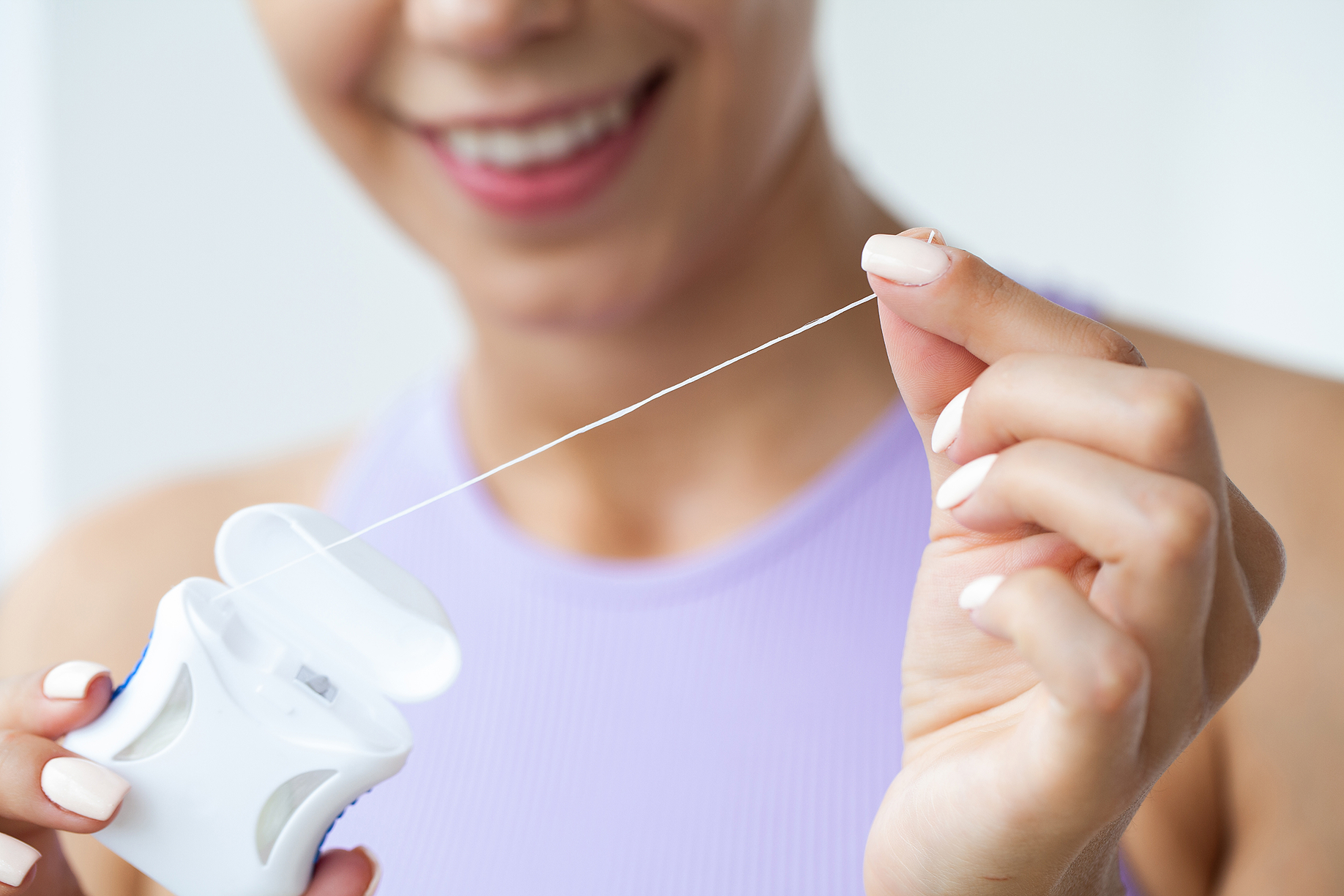
Person holding dental floss, demonstrating daily oral hygiene to help protect teeth restored with inlays or onlays.

Aftercare for Your Inlays and Onlays

  • Avoid chewing very hard foods such as ice, hard candy, or nuts on the restored tooth to prevent unnecessary stress on the inlay or onlay.

  • Maintain good oral hygiene by brushing twice daily and flossing around the restored tooth to keep the surrounding gums and tooth structure healthy.

  • Be mindful of biting directly on extremely sticky foods that may place pressure on the restoration.

  • If you notice sensitivity, looseness, or discomfort when biting, contact your dentist so the restoration can be evaluated.

  • Continue regular dental visits so your dentist can monitor the condition of the inlay or onlay and the health of the surrounding teeth.

Aftercare for Your Inlays and Onlays

Person holding dental floss, demonstrating daily oral hygiene to help protect teeth restored with inlays or onlays.
  • Avoid chewing very hard foods such as ice, hard candy, or nuts on the restored tooth to prevent unnecessary stress on the inlay or onlay.

  • Maintain good oral hygiene by brushing twice daily and flossing around the restored tooth to keep the surrounding gums and tooth structure healthy.

  • Be mindful of biting directly on extremely sticky foods that may place pressure on the restoration.

  • If you notice sensitivity, looseness, or discomfort when biting, contact your dentist so the restoration can be evaluated.

  • Continue regular dental visits so your dentist can monitor the condition of the inlay or onlay and the health of the surrounding teeth.

Avoid chewing very hard foods such as ice, hard candy, or nuts on the restored tooth to prevent unnecessary stress on the inlay or onlay.

  • Inlays and onlays may be considered when a cavity or tooth damage is too large for a traditional filling but does not require a full dental crown.

  • Yes, these restorations are commonly used on molars and premolars where chewing pressure is greatest.

  • In some cases, they may be used to restore teeth that have moderate cracks or structural damage.

  • With proper care and regular dental visits, these restorations can last many years.

  • Yes, like other dental restorations, they can be replaced if they become worn, damaged, or loose over time.

Related Blog Posts

Stay Informed with Expert Insights & Tips About Inlays and Onlays

No Blog Posts Yet

We’re working on new articles to help you care for your smile. Check back soon for updates from the Ahn Dental Specialists Team.

Book Your Dental Appointment Today

Convenient online scheduling and same-week availability with Redondo Beach’s trusted dental specialists

  • Phone Number

    (310) 376-2460

  • Office Hours

    Monday to Friday 8:00 AM to 5:00 PM
    Saturday to Sunday Closed

  • Location

    1444 Aviation Blvd, Suite 201 Redondo Beach, CA 90278