

Why Do Gums Bleed When I Floss?

Discover why your gums bleed when you floss and how to achieve lasting gum health with expert tips and comprehensive dental care!
The Lingering Doubt in Emma's Smile
Emma always considered herself diligent about her oral health. She brushed twice a day, and for the most part, avoided sugary drinks. Yet, a consistent, unsettling discovery kept surfacing: a faint pink stain in the sink after flossing. It wasn't always a gush, but that little whisper of blood sent a shiver of doubt through her otherwise confident smile. She wondered if she was doing something wrong, or if it was a sign of something much more serious.
She’d stand there, toothbrush in hand, staring into the mirror, a frown creasing her brow. This wasn't just a minor inconvenience; it was a persistent question mark on her daily routine. Every time she reached for her floss, a tiny knot of anxiety formed, anticipating the potential bleed.
Emma knew deep down that healthy gums shouldn't bleed. She'd heard it from dental hygienists for years, but understanding why her gums bled was a mystery that weighed on her. It felt like a secret battle, one she didn't know how to win, making her question the effectiveness of her entire dental care regimen.

Unmasking the Culprit: Gingivitis
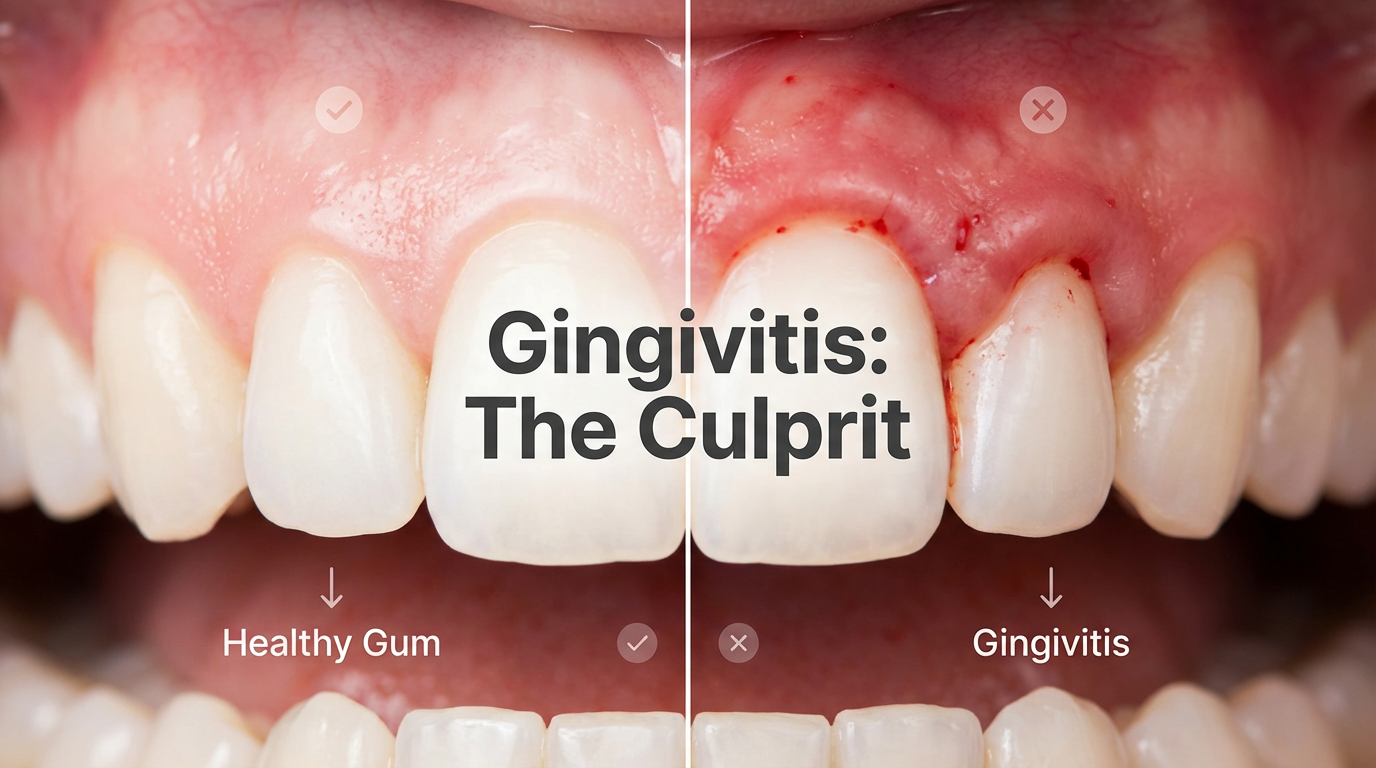
One evening, while idly scrolling online, Emma typed her recurring concern into a search engine: "why do my gums bleed when I floss?" The results pointed overwhelmingly to one common culprit: gingivitis. This initial diagnosis was a relief, yet also a concern. Relief because it wasn't immediately something catastrophic, but concern because it meant her gums weren't as healthy as she’d imagined.
Gingivitis, she learned, is the earliest stage of gum disease, primarily caused by plaque buildup along the gumline. Plaque, a sticky film of bacteria, irritates the gum tissue, leading to inflammation, redness, swelling, and yes – bleeding. It’s your body's way of signaling a problem, a distress call from your gums.
The information resonated with her; she often noticed her gums looking a little redder than she thought they should. The concept of plaque as an invisible enemy made sense, explaining why her diligent, yet perhaps incomplete, oral hygiene routine wasn't fully protecting her. It was a wake-up call to understand the deeper mechanics of gum health.
The Silent Invasion of Plaque
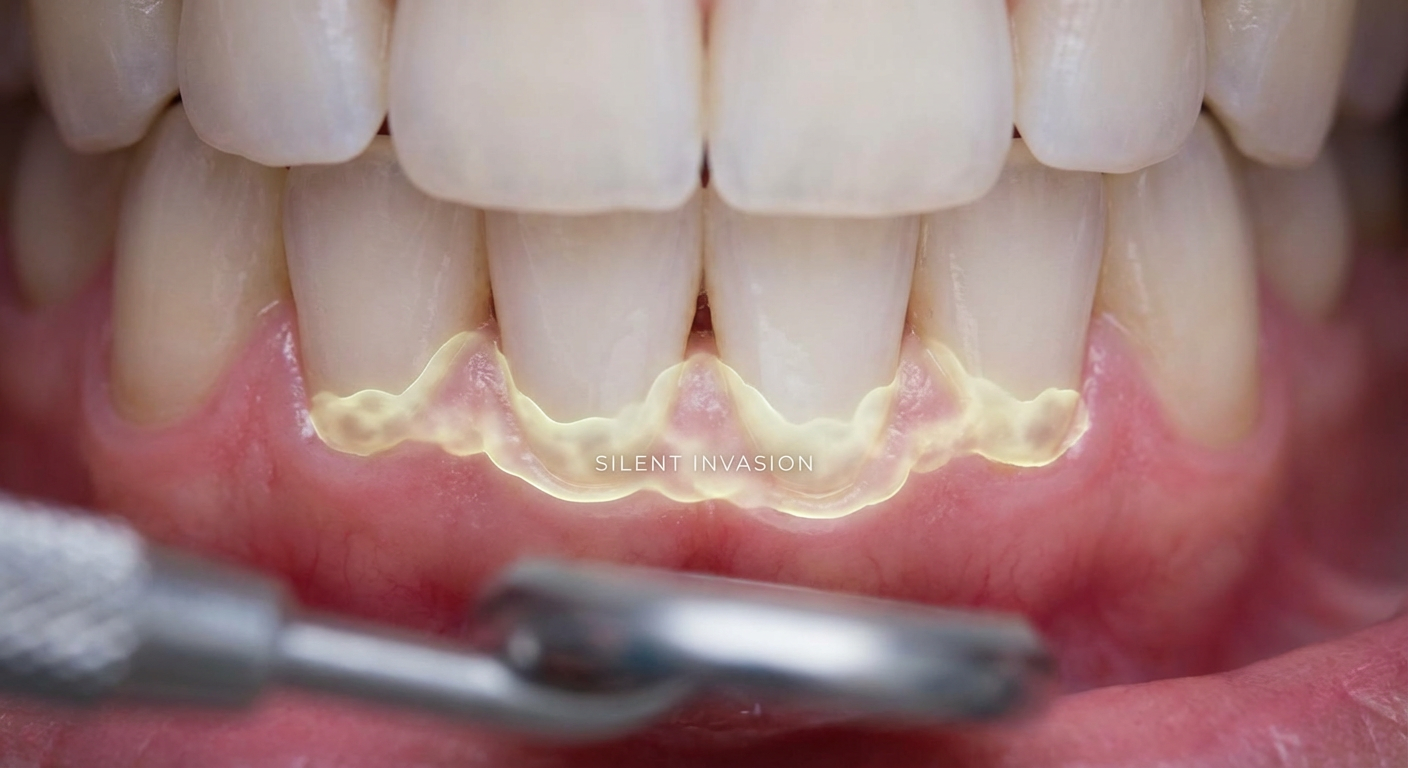
Emma started to visualize the plaque. Not as just a vague concept, but as a silent, persistent intruder clinging to her teeth, especially where they met her gums. She realized that even with regular brushing, some areas were likely being missed, allowing this bacterial film to flourish undisturbed. This buildup was what caused her gums to become sensitive and prone to bleeding.
This sticky film, if not removed thoroughly and regularly, then hardens into tartar, or calculus, which is even more irritating to the gums and can only be removed by a dental professional. Plaque's insidious nature lies in its invisibility, making it easy to overlook until its effects manifest as bleeding gums.
Understanding this process helped Emma reframe her flossing anxiety. It wasn't just about cleaning food particles; it was about disrupting and removing this microscopic colony of bacteria. Flossing, she realized, was a critical weapon in her arsenal against gingivitis, not just an optional extra step.
Flossing Technique: A Gentle Art
Emma began to question her flossing technique. Was she too aggressive? Not thorough enough? She recalled vague instructions from childhood dental visits but realized she'd never truly mastered the art of effective flossing. The goal isn't just to jam the floss between teeth, but to gently guide it along the contours of each tooth surface, reaching just beneath the gumline.
She learned that the proper technique involves using about 18 inches of floss, winding most of it around her middle fingers, and using her index fingers and thumbs for control. Creating a 'C' shape around each tooth and gently moving the floss up and down, even slightly under the gumline, was crucial. This gentle scraping action dislodges plaque without harming the delicate gum tissue.
It was surprising to discover that sometimes, initial bleeding could even be a sign that you're starting to clean an area that was previously neglected and inflamed. Consistency, not aggression, was the key. Emma felt a surge of empowerment, realizing she had agency in improving her gum health through proper technique.

The Clarity You Deserve
If you're experiencing bleeding gums, remember that it's a call for attention, not a reason for despair. Understanding your symptoms is the first step toward a healthier mouth. Let us help you achieve lasting gum health and a confident smile.

Beyond Bleeding: The Progression of Gum Disease
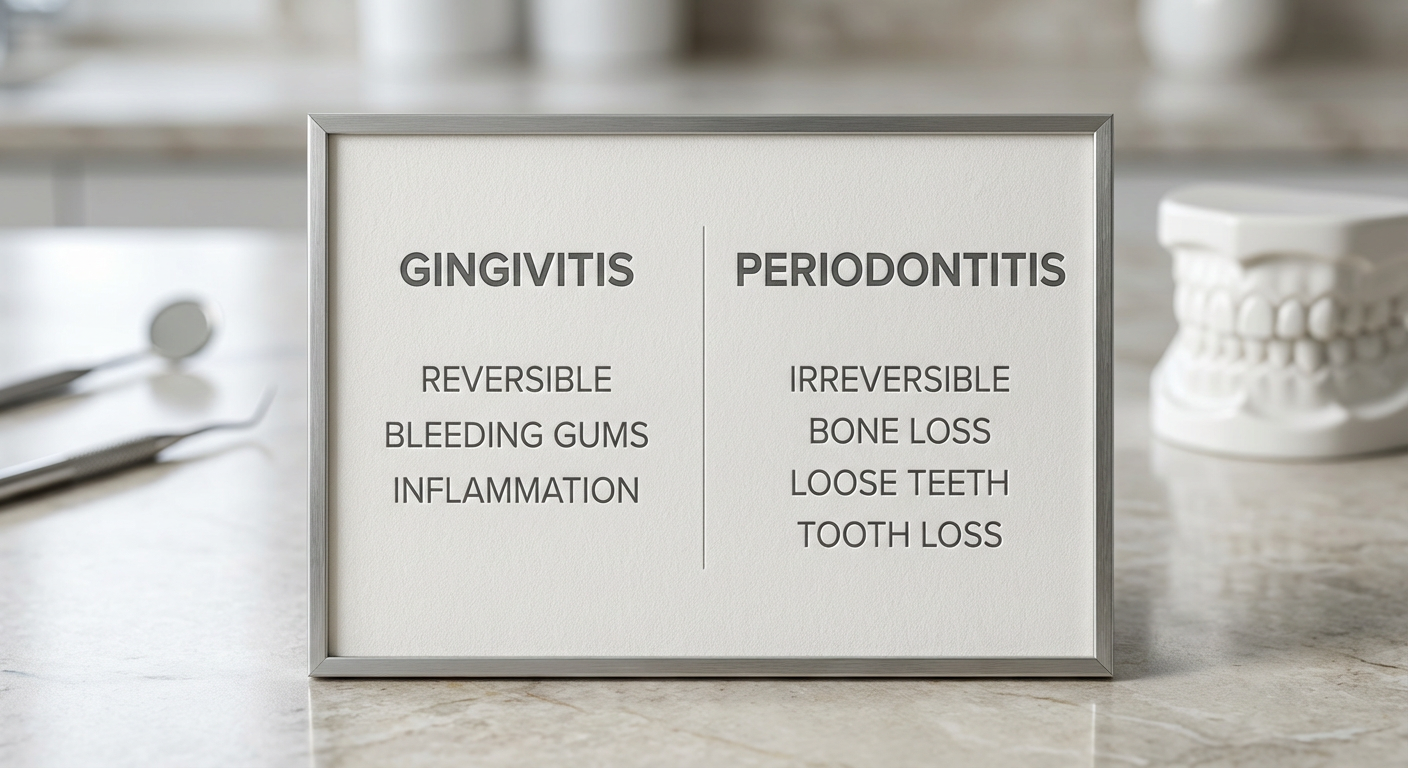
Emma learned that ignoring bleeding gums wouldn't make the problem disappear; it would likely escalate. If gingivitis is left untreated, it can advance to periodontitis, a more severe form of gum disease. Periodontitis can lead to a host of more serious issues, including receding gums, persistent bad breath, loose teeth, and eventually, tooth loss. The idea of losing a tooth was a stark and frightening realization.
This progression occurs as the chronic inflammation starts to destroy the bone and tissues supporting the teeth. What began as a mere pink stain in the sink could, over time, undermine the very foundation of her smile. The stakes suddenly felt much higher than just a little blood after flossing.
This understanding solidified Emma's resolve. She wasn't just addressing a minor nuisance; she was proactively protecting her long-term oral and overall health. Preventive care became a guiding principle, urging her toward more consistent and effective dental habits.
The Role of Professional Dental Care
While proper at-home care is paramount, Emma understood that professional dental care plays an indispensable role. Regular dental cleanings and check-ups are essential for removing plaque and tartar that her toothbrush and floss simply couldn't reach. Dr. Ahn and her team could spot trouble spots and offer personalized advice.
She realized that attempting to fix the problem herself entirely would be like trying to navigate a complex map without knowing where to start. Dental professionals use specialized tools and expertise to clean thoroughly and assess gum health, providing a level of care impossible to achieve at home. Their guidance is invaluable in managing and reversing gingivitis.
A visit to Ahn Dental Specialists, she recognized, wouldn’t just be about getting her teeth cleaned; it would be about getting a professional assessment of her gum health and tailored advice on prevention. It was a partnership in her oral well-being, a crucial step in her journey back to healthy gums.

Cultivating Healthy Habits: Emma's New Routine
Armed with new knowledge, Emma transformed her daily oral hygiene routine. She focused on the two-minute rule for brushing, using a soft-bristled brush, and committed to flossing every single day, focusing on correct technique. She also incorporated an antimicrobial mouthwash to further reduce bacteria. This comprehensive approach felt strategic and empowering.
Initially, her gums still bled a little, which was discouraging, but she remembered what she’d learned: consistency was key. After about a week, she noticed a definite reduction in bleeding. Her gums looked rosier, felt less sensitive, and the tell-tale pink in the sink became increasingly rare. It was a testament to her perseverance and the power of diligent care.
Emma also paid closer attention to her diet, opting for more crunchy fruits and vegetables and reducing sugary snacks, knowing they contributed to plaque formation. Every choice felt like a step toward better health, and her gums were responding beautifully to her renewed commitment.

A Confident, Healthy Smile Returns
After consistent effort and a professional cleaning at Ahn Dental Specialists, Emma's gums were noticeably healthier. During her check-up, Dr. Ahn confirmed that her gingivitis was reversing, and praised her improved home care. The relief was immense, replacing the anxiety she'd once felt with genuine confidence.
Now, flossing was no longer a dreaded chore but a satisfying ritual, knowing she was actively protecting her smile. The pink stain in the sink was a distant memory, replaced by the clean, healthy feeling of gums that no longer bled. Her smile felt stronger, more vibrant, a true reflection of her renewed oral health.
Emma’s journey from confusion to clarity reinforced a vital lesson: understanding the 'why' behind dental issues is the first step toward effective solutions. A little knowledge and consistent effort go a long way in maintaining a healthy, beautiful smile for years to come.

Frequently Asked Questions
1. Why do my gums bleed when I floss?
Bleeding gums when flossing often indicate gingivitis, an early stage of gum disease caused by plaque buildup along the gumline. This plaque irritates the gums, making them tender and prone to bleeding.
2. Is bleeding when I floss always a sign of gum disease?
While commonly a sign of gingivitis, bleeding gums aren't always gum disease. Other factors like aggressive flossing, new flossing habits, certain medications, hormonal changes (e.g., pregnancy), or underlying health conditions can also cause bleeding. If bleeding persists, consult a dentist.
3. What should I do if my gums bleed when I floss?
If your gums bleed, continue flossing gently every day. Consistent, gentle flossing helps remove plaque and can improve gum health. Use a soft-bristled toothbrush and an antimicrobial mouthwash. If bleeding doesn't stop or worsens after a week or two, please schedule an appointment with us.
4. Can changing my flossing technique help stop the bleeding?
Yes, an improper flossing technique can contribute to bleeding. Ensure you are gently sliding the floss between teeth and curving it around the tooth at the gumline, forming a "C" shape. Avoid snapping the floss down forcefully, which can cut the gums.
5. Are there other factors that can make my gums bleed?
Yes, several non-flossing related factors can contribute to bleeding gums. These include certain medications (like blood thinners), vitamin deficiencies (especially Vitamin C and K), hormonal fluctuations, ill-fitting dental appliances, or systemic conditions like diabetes.
6. When should I be concerned and see a dentist about bleeding gums?
You should see a dentist if your gums bleed regularly, if the bleeding is excessive, if you also experience pain, swelling, persistent bad breath, or receding gums. These could be signs of a more advanced gum disease that requires professional intervention beyond regular hygiene, possibly including deep cleaning or other treatments.
Stay Informed with Expert Insights & Tips About Dental Care
How to Remove Tartar from Teeth
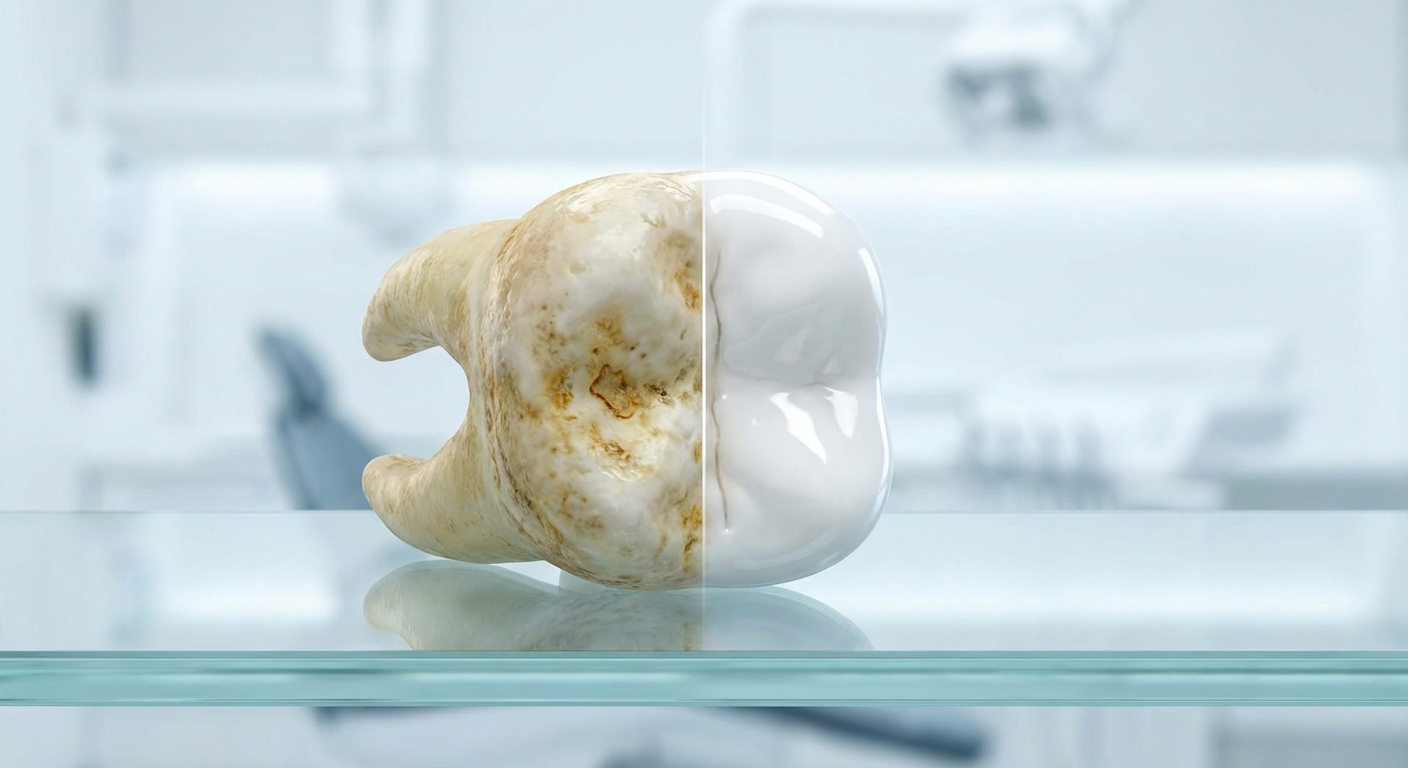
Uncover the truth about tartar removal! Learn why DIY methods won't work and how professional cleaning banishes stubborn buildup.
Book Your Dental Appointment Today
Convenient online scheduling and same-week availability with Redondo Beach’s trusted dental specialists
Phone Number
Office Hours
Monday to Friday 8:00 AM to 5:00 PM
Saturday to Sunday ClosedLocation
1444 Aviation Blvd, Suite 201 Redondo Beach, CA 90278

Thank you for booking your appointment!
We’ve received your request and will contact you soon to confirm the details. We look forward to seeing you at Ahn Dental Specialists.