













A Sugar-Filled Night and a Guilty Smile
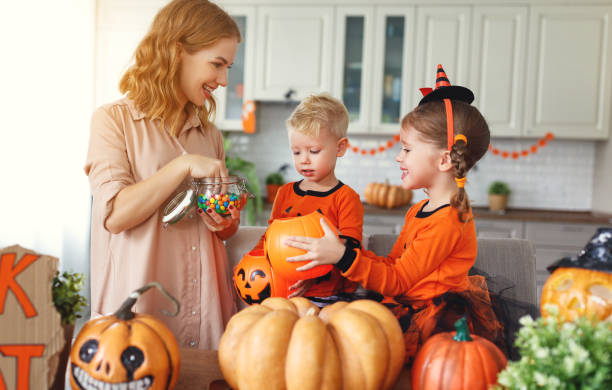
When Sarah tipped over her kids’ overflowing trick-or-treat bags last Halloween, she felt the same mix of excitement and dread that most parents do.
Chocolate bars, sticky caramels, neon lollipops—half of it looked like a dentist’s worst nightmare.
“Maybe I’ll just let them have a few tonight,” she thought, already feeling the mental tug-of-war between fun parent and responsible adult. Later that week, when her son complained that his tooth “hurt a little,” she knew it was time for a post-Halloween dental check.
At Ahn Dental Specialists in Redondo Beach, we hear this story every year—and it’s one we love to help families navigate. Halloween doesn’t have to be the enemy of healthy teeth. The trick is knowing which treats are kinder to smiles and how to enjoy them in moderation.
The Truth About Halloween Candy and Cavities
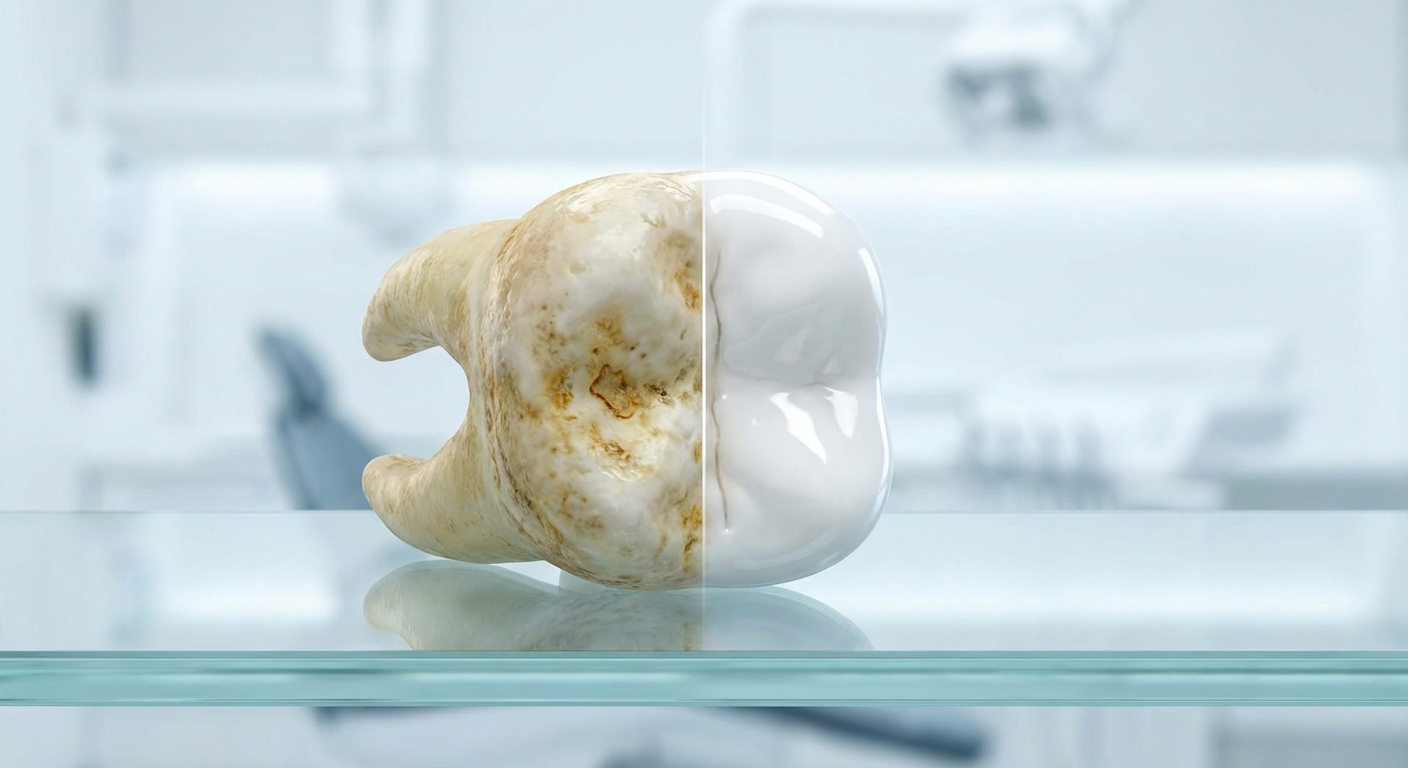
Sugar itself doesn’t directly cause cavities—it’s what happens after you eat it. When bacteria in your mouth feed on sugar, they produce acid that softens enamel, making teeth more vulnerable to decay. The stickier or longer-lasting the candy, the more time that acid has to do damage.
The real culprit isn’t one piece of candy; it’s constant exposure to sugar throughout the day. That’s why a handful of candy eaten all at once (preferably after a meal) is actually safer than snacking on sweets for hours.
Chocolate: The Lesser Evil of Halloween Candy
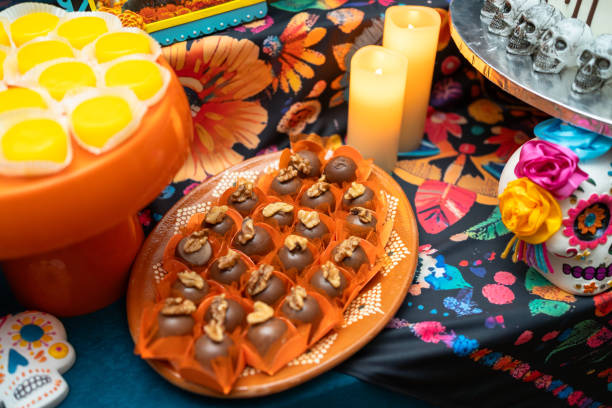
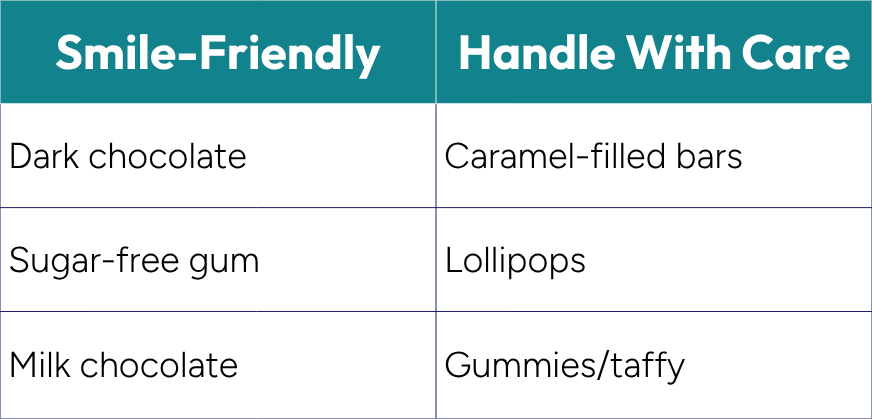
When parents ask, “What’s the least harmful Halloween candy?”, the answer might surprise them—it’s chocolate.
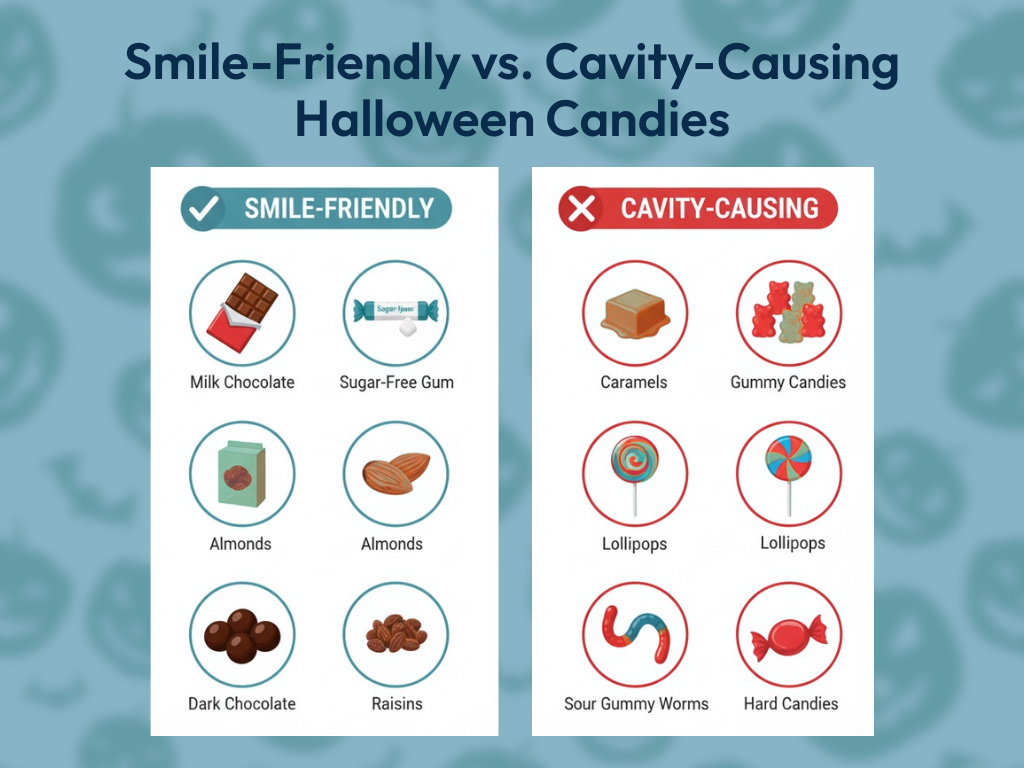
Unlike sticky taffy or hard candies, chocolate melts quickly and doesn’t cling to teeth. Dark chocolate is even better because it contains less sugar and certain compounds that may actually inhibit bacteria.
If you’re choosing candy for your household or school event, bite-sized chocolates are your safest bet. Just avoid ones filled with sticky caramel or chewy nougat—they tend to linger and increase acid exposure.
The Real Sticky Situation: Caramels, Gummies, and Lollipops
Now let’s talk about the villains of the candy world. Caramels, taffies, fruit chews, and gummy candies can wedge between teeth and hang around long after the fun is over. That sticky residue feeds bacteria for hours, even if your child brushes afterward.
Lollipops and jawbreakers are another concern—not because they’re chewy, but because they dissolve slowly, bathing teeth in sugar for several minutes. If your child likes them, encourage sipping water right after and limit how often they indulge.
What About Sugar-Free Options?
Here’s where things get interesting: not all sugar-free candies are great, but xylitol-based gums can actually help prevent cavities. Chewing sugar-free gum after candy can stimulate saliva, which neutralizes acid and washes away sugar particles. It’s like nature’s own mouth rinse.
Dr. Michelle Ahn often reminds families that it’s not about perfection—it’s about balance. “We don’t want kids to feel scared of candy,” she says. “We just teach them how to enjoy it wisely and take care of their teeth afterward.”
How to Protect Smiles After Trick-or-Treating
Here’s what we tell our Redondo Beach patients every October:
- Time it right. Eat candy after meals—saliva is higher then and helps wash away sugar.
- Rinse with water. A few sips of water after sweets can make a big difference.
- Wait before brushing. Acid softens enamel; brushing immediately can do more harm. Wait 30 minutes, then brush.
- Keep it short and sweet. A candy “dessert window” is safer than grazing all night.
And of course, an early November dental cleaning never hurts. It’s the best way to make sure your smile—and your child’s—bounces back after Halloween.