















"They told me I needed a deep cleaning, but I brush every day. Do I really need it?"
That’s what Marcus asked during his first visit with us at Ahn Dental Specialists in Redondo Beach. He wasn’t trying to cut corners — he was genuinely confused. And he’s far from alone.
For many patients, being told they need a "deep cleaning" feels surprising, even alarming. Especially if there’s no pain. If you’ve heard this before and felt unsure whether to move forward, this post is for you.
We'll explain what a deep cleaning actually is, how it’s different from a regular cleaning, when it’s truly necessary, and how it can help prevent much bigger dental problems down the line.
What Is a Deep Cleaning, Really?
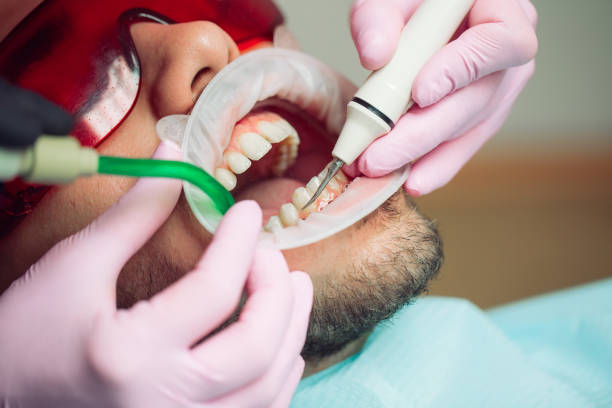
A "deep cleaning" is the everyday term for scaling and root planing, a specialized dental procedure designed to treat gum disease — specifically, early to moderate stages of periodontitis.
During this treatment, we clean below the gum line, where a toothbrush or even a routine cleaning can't reach. The goal is to remove plaque, tartar, and bacteria buildup on the roots of your teeth, and to smooth the root surfaces to help your gums heal and reattach.
Unlike a standard cleaning — which focuses on the visible tooth surfaces above the gums — a deep cleaning addresses the hidden areas where infection can quietly worsen without symptoms.
But I Don’t Feel Anything… Can’t I Wait?
This is one of the most common reactions we hear.
Gum disease is often silent in the early stages. You might not feel pain, but that doesn’t mean damage isn’t happening. Signs that might prompt a deep cleaning recommendation include:
- Bleeding gums when brushing or flossing
- Persistent bad breath
- Receding gums or “longer-looking” teeth
- Deep pockets between teeth and gums on x-rays or probing exams
At our practice in Redondo Beach, we use precise measurements to check these gum pockets. If they’re 4mm or deeper, and there’s tartar or signs of inflammation, a deep cleaning is often the most effective first step to stop disease progression.
Waiting too long can allow bone loss to begin — and once that happens, you’re looking at more complex treatment, and possibly tooth loss.
What Happens During a Deep Cleaning?

t Ahn Dental Specialists, we typically perform scaling and root planing in two separate visits, treating one side of the mouth at a time. Here’s what to expect:
- Numbing: We gently numb the treatment area so you feel little to no discomfort.
- Scaling: Using specialized tools (often ultrasonic scalers), we remove hardened plaque (calculus) from the tooth roots below the gums.
- Root Planing: We smooth the root surfaces so bacteria have a harder time reattaching.
- Aftercare Guidance: We’ll walk you through how to care for your gums during healing — and what to expect next.
Most patients feel just a little soreness afterward and can return to normal activities right away. Some even tell us it feels like a weight has been lifted once the bacteria are cleared out.